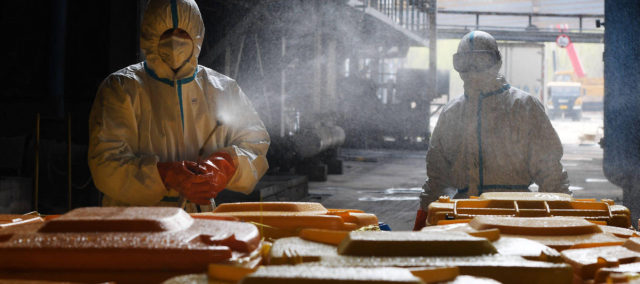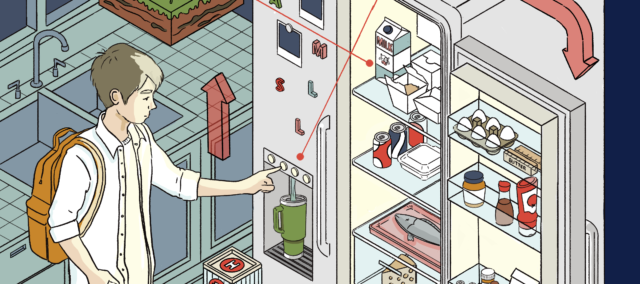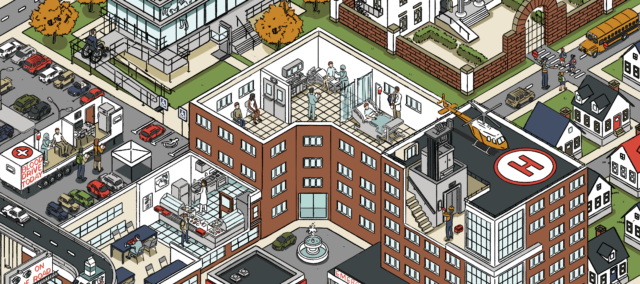
Wuhan’s biohazard disposal system suffered a cascade of failures in the months leading up to Covid: new revelations that official investigators have overlooked
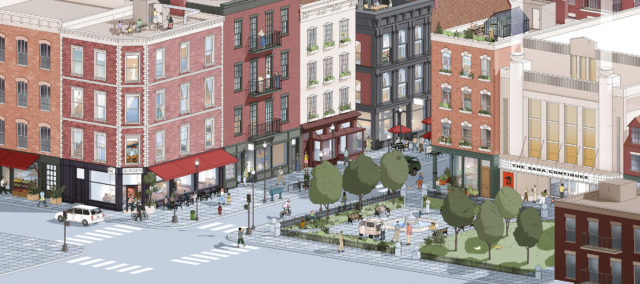
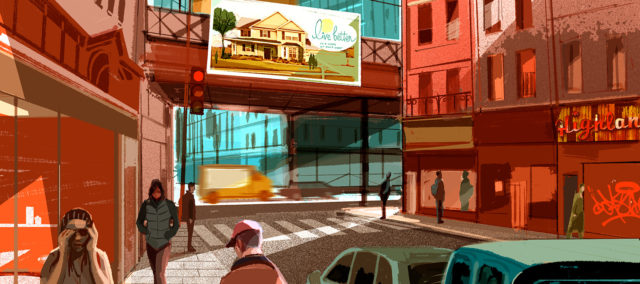
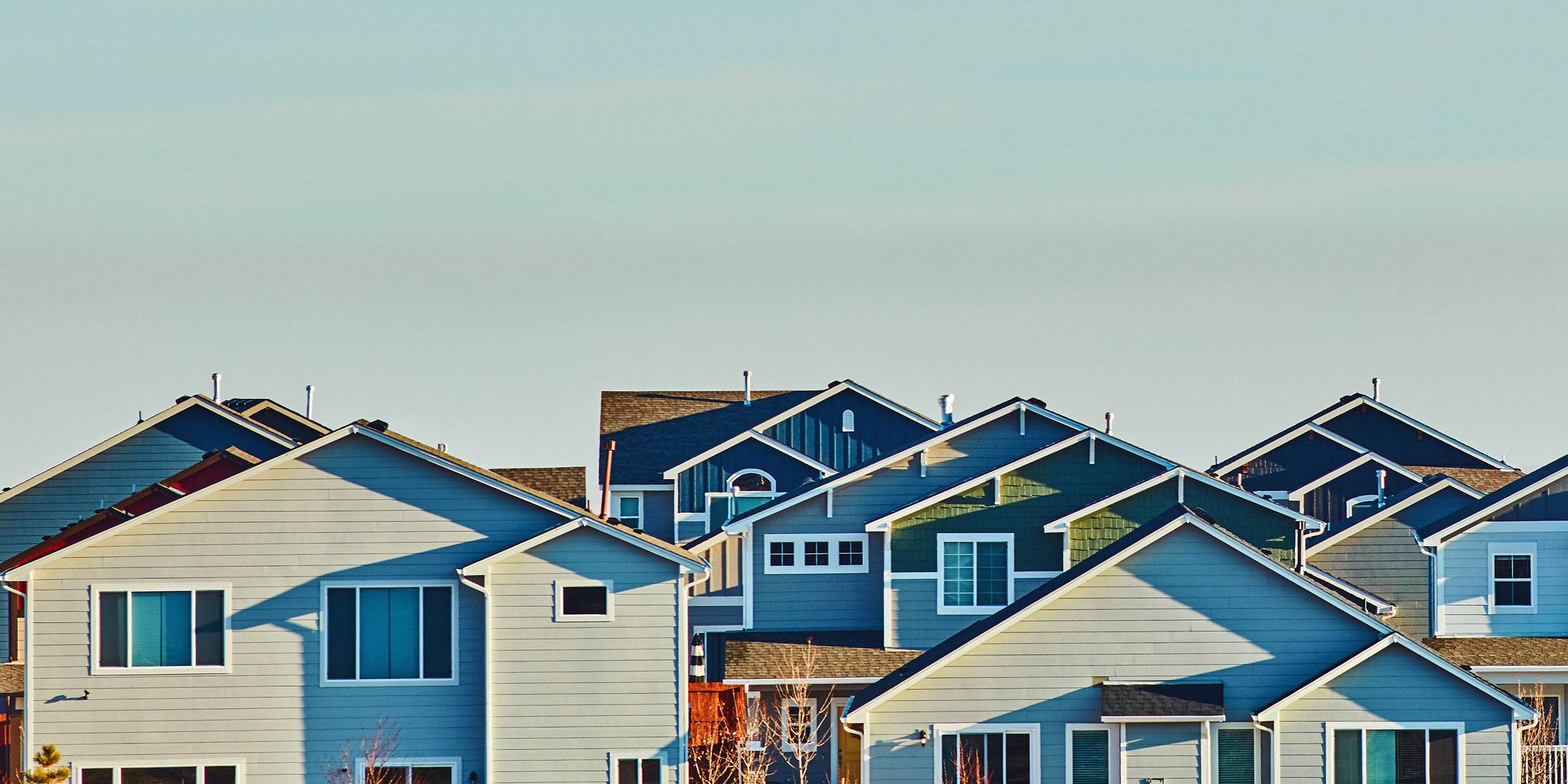
The qualities that make built places charming are best stewarded by people who live there. But America’s soul-crushing suburban districts are now owned by people far away — people who don’t even know they’re owners at all.
Startup lingo has colonized American life. Politicians “iterate.” Think tanks “pivot.” Cities hire “Chief Innovation Officers.” We all “scale” and “optimize.” And tech founders look at the inheritance of civilization and see a legacy codebase overdue for refactoring.
From “The Burnout Society” to “The Tonality of Thought,” tech philosopher Byung-Chul Han’s ultra-short books reveal why online liberation has felt more like voluntary captivity.
Magnifica Humanitas is an inspiring invitation. But its focus on war, unemployment, and oligarchy misses the more insidious threat: that AI will turn the human experience itself into slop.
America’s neighborhoods were once beautiful, unique, dense, and scaled for a communal life on foot. But obscure federal rules piling up over a century have made it nearly impossible for banks to finance new ones.
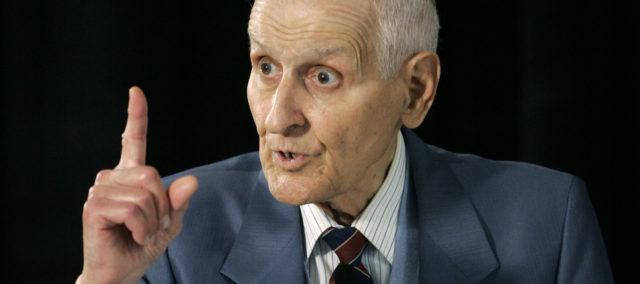
Broke, raving, and living out of his van, for years Jack Kevorkian turned away from his first love — experiments with death — to a side quest: bringing Jesus Christ to the big screen.
A series by Joseph Lawler about the hidden federal policies that have made our built environment less human-scaled, less hospitable, less lovely, and less conducive to living well together
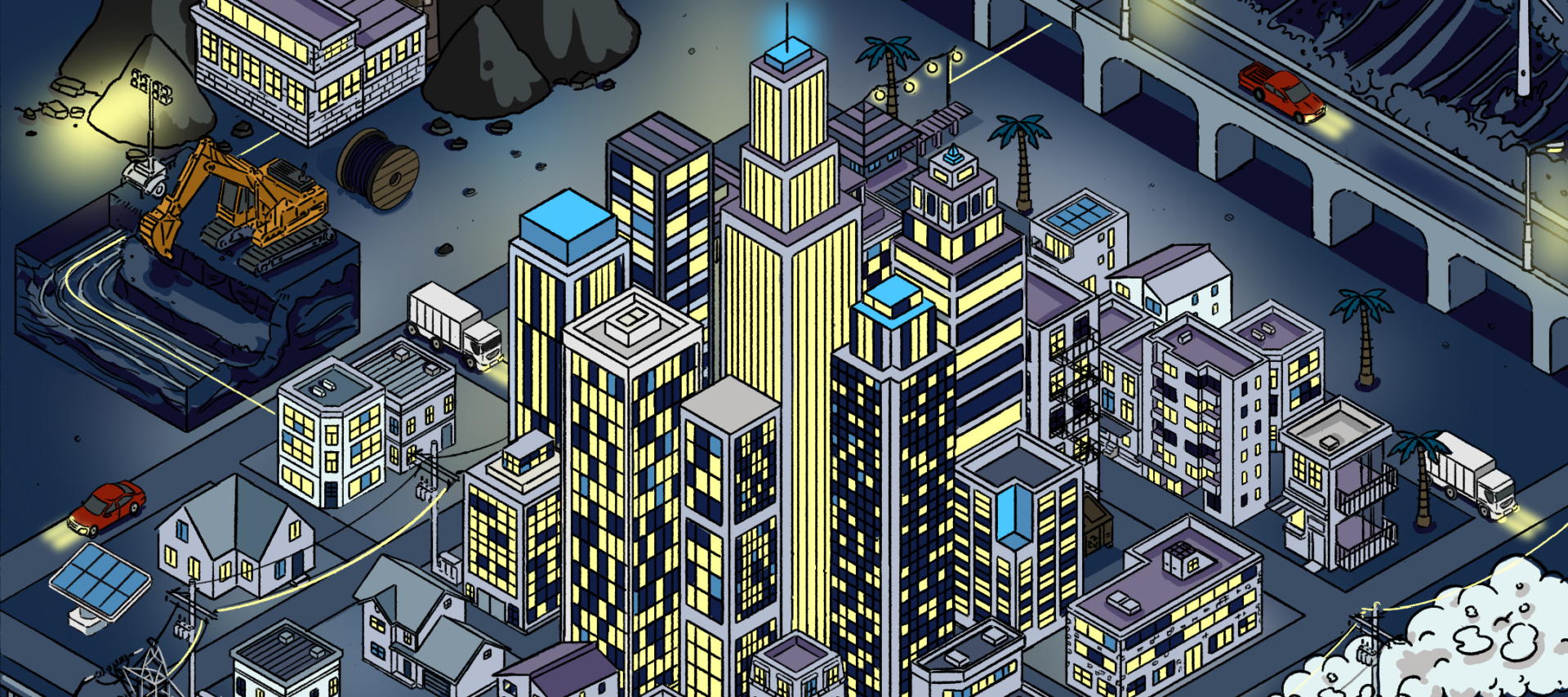
If you think the power system must run itself by now, you’re wrong. Behind every nicely toasted bagel is a vast network of generators, transformers, computers, wires — and, yes, people in backrooms sweating to make sure the juice flows exactly where, and when, it needs to go. What could possibly go wrong?